
Build America, Buy America (BABA) Explained: What Affordable Housing Developers Should Know
Affordable housing projects are inherently complex. Layered funding, tight margins, and strict timelines leave little room for error. When federal funding triggers Build America, Buy America (BABA) requirements, complexity increases – but that doesn’t have to stop a project.
BABA focuses on boosting domestic manufacturing. For affordable housing developers, it adds new challenges in procurement, documentation, and scheduling. With the right design and construction expertise involved early, developers can move forward confidently, knowing that federal requirements are being managed with the same care and discipline as cost, schedule, and quality.
Understanding BABA in the Context of Affordable Housing
BABA applies to projects receiving federal financial assistance, including many affordable housing developments that leverage HUD, USDA, or other federally backed funding sources. Unlike traditional “Buy American” provisions, BABA requirements extend beyond iron and steel to include manufactured products and construction materials, each with its own rules.
For affordable housing projects, where funding is often layered, BABA may apply to:
- Specific scopes of work, not the entire project
- Infrastructure or site components tied to federal funds
- Select building systems or materials
This nuance is critical. Misunderstanding where and how BABA applies can create downstream risks that affect cost, schedule, and funding compliance. Material selections, system specifications, and equipment decisions all influence compliance long before procurement begins. Designing projects with BABA requirements in mind from the outset, whenever possible, is just as important. At Windover, we approach BABA as a project controls issue, integrating it into our established processes rather than treating it as an add-on. Without a proactive construction strategy, projects risk discovering compliance gaps when solutions are limited and costly.
At Windover, we approach BABA as a project controls issue, integrating it into our established processes rather than treating it as an add-on. Without a proactive construction strategy, projects risk discovering compliance gaps when solutions are limited and costly.
The Three BABA Categories Owners Should Know
From a construction standpoint, BABA compliance centers on three material categories:
- Iron and Steel: Iron and steel products must be 100% produced in the United States, including all manufacturing processes. This affects structural steel, reinforcing steel, and related components.
- Manufactured Products: Manufactured products must be finally assembled in the U.S., with at least 55% of component costs domestically sourced. This category often presents the greatest challenge. Examples include HVAC systems, electrical and switchgear, elevators, plumbing fixtures, and fire protection and alarm systems.
- Construction Materials: Construction materials must be manufactured in the U.S., including products like drywall, insulation, glass, and lumber.
Windover embeds these requirements into our approach from day one. This includes identifying which funding sources trigger BABA, mapping compliance requirements to specific scopes during preconstruction, strategically sequencing long-lead items, flagging potential waiver needs early, integrating BABA tracking into submittal workflows, and protecting owners from avoidable compliance gaps. When managed correctly, BABA becomes just another controlled variable.
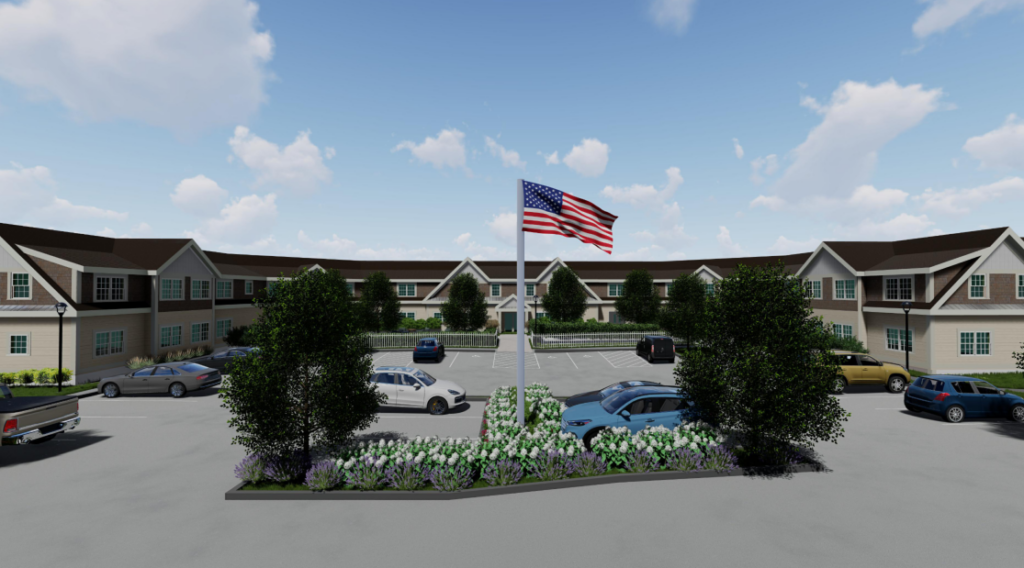
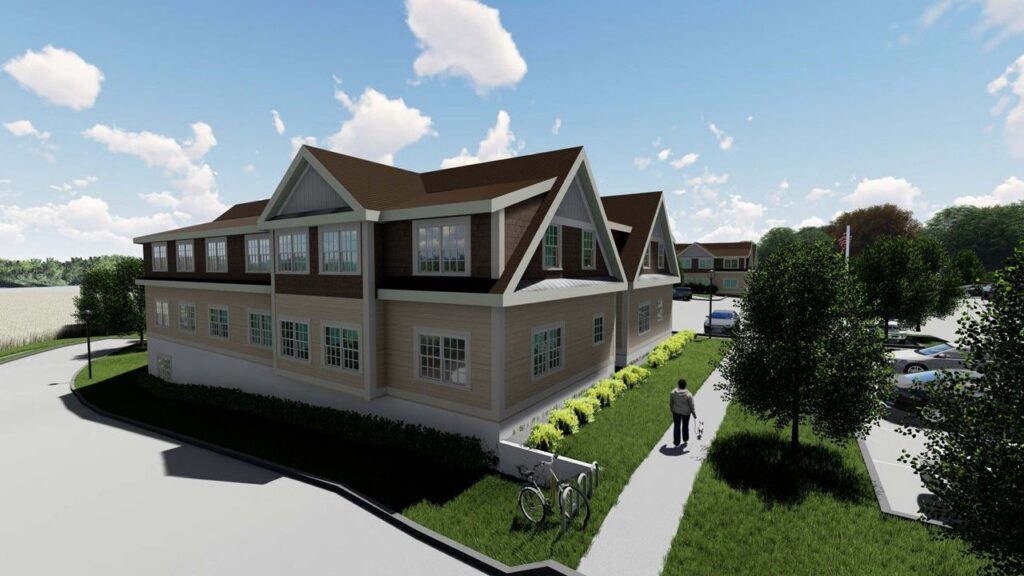
Windover recently began construction on Asbury Commons, a 45-unit affordable housing community in Hamilton, MA for Harborlight Homes. The project, which received HUD financing, must meet Build America Buy America requirements. Renderings courtesey of SV Design.
Aligning Compliance with the Mission of Affordable Housing
BABA is now a reality for many affordable housing projects. When compliance is approached early and collaboratively, it becomes a manageable part of the delivery process rather than a barrier. A construction partner experienced in federally funded work helps owners stay focused on what matters most: delivering high-quality, efficiently and responsibly built housing to the communities they serve.
Abbreviated versions of this blog were featured in High-Profile and New England Real Estate Journal.